| Klingenhöhe (cm) | 3.5 cm |
|---|---|
| Klingenstärke (cm an der Spitze) | 0.2 cm |
| Länge (cm) | 21 cm |
Sale
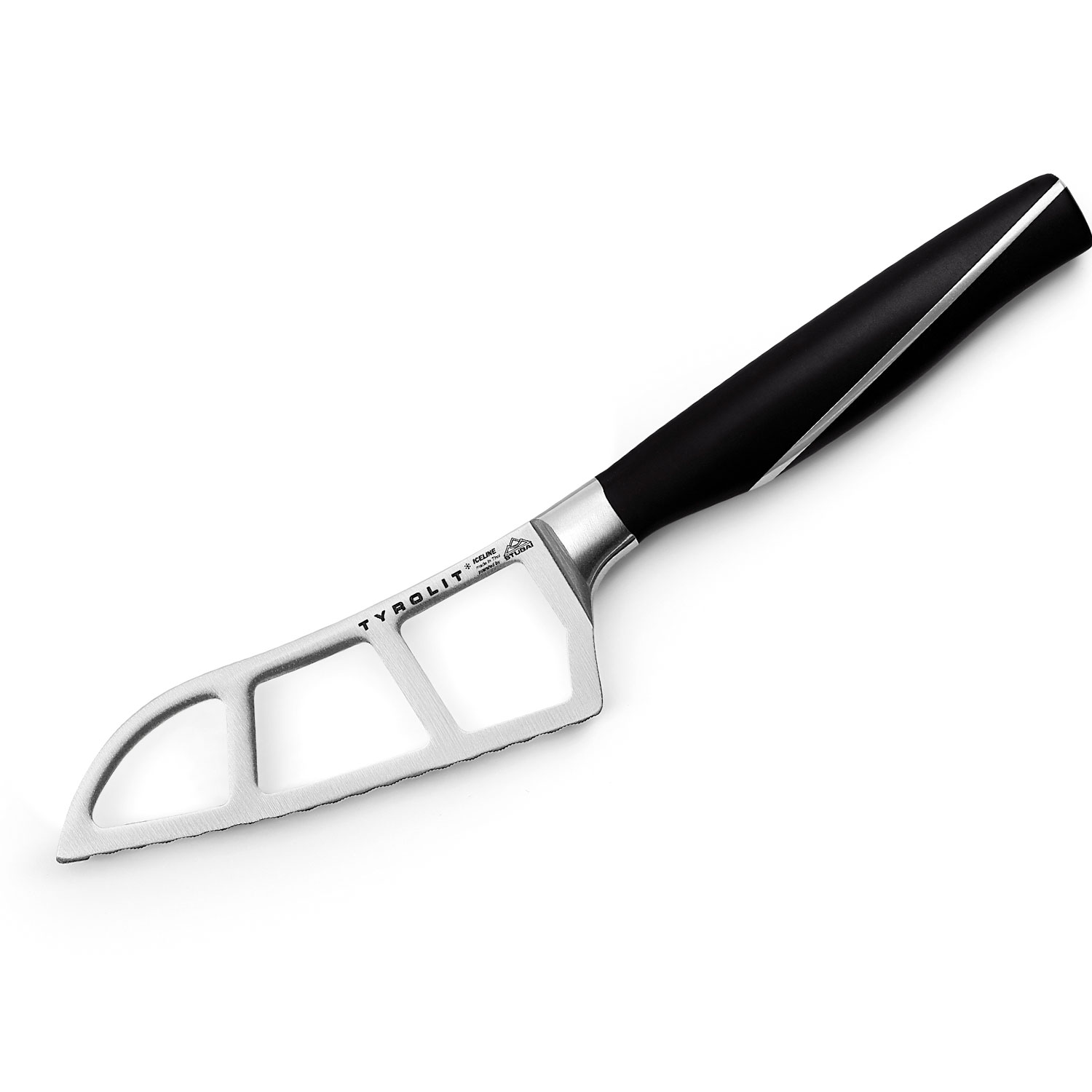
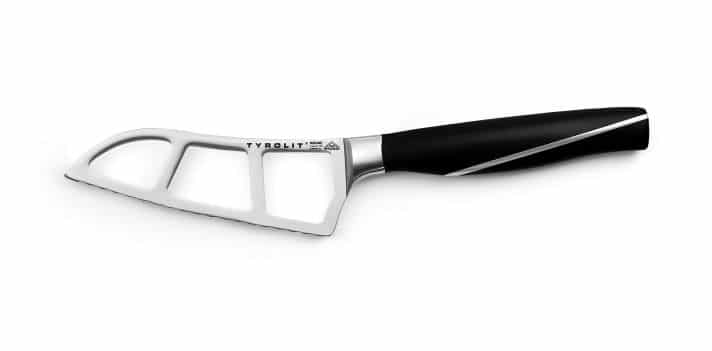
Cheese knife 10 cm
- Blade length: 10 cm
- Highest cutting quality with micro-serrated edge
- Forged from a single piece of stainless steel
- Large cutouts specifically for soft cheese
- Multiple times ice-hardened (56 HRC)
€ 41,93€ 59,90inc. VAT.
available (Delivery time: within 2-4 working days)
Free shipping from 99 €
Free return
Made in Austria
Description
Technical data
Safety instructions
The blade
The cheese knife is forged from a single piece of rust-free stainless steel (steel material 1.4116) and ice-hardened multiple times (to 56 HRC). The finely polished blade surface and the balanced weighing lines along the cutting edges guarantee long-lasting sharpness and the best cutting properties.
The handle
The black, ergonomically shaped plastic handle ensures good and safe handling and impresses with its exceptionally attractive design and feel. The blade and handle are seamlessly and inseparably connected.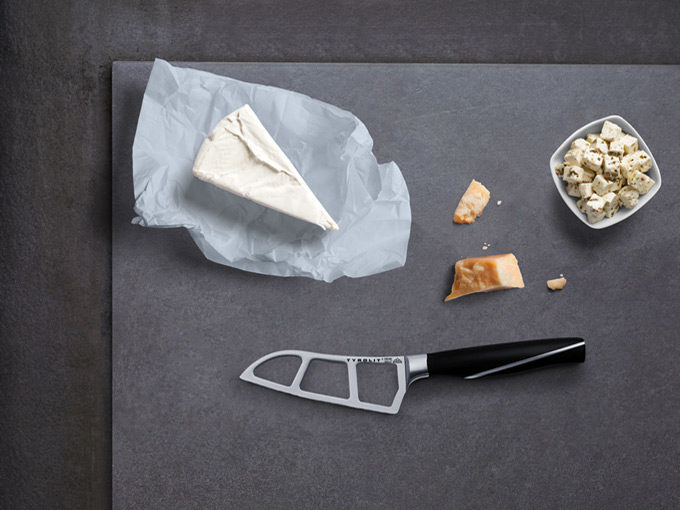
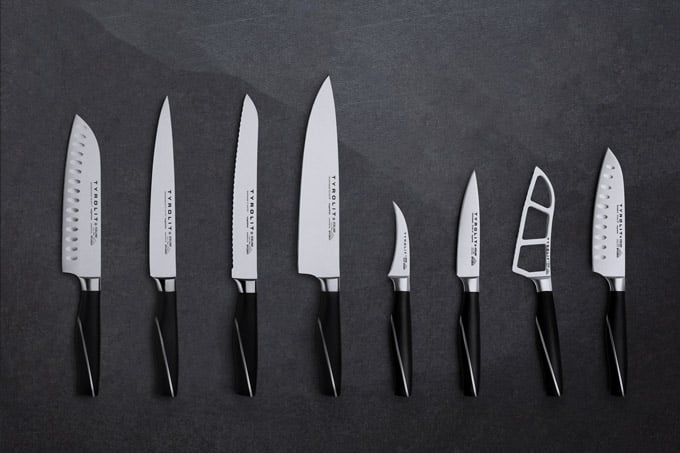
Tyrolit Life Iceline
The TYROLIT LIFE Iceline knife series is manufactured in close collaboration with the Tyrolean tool expert Stubai. All knives impress with their outstanding workmanship and durability. The rustproof blades are forged from a single piece of the highest quality stainless steel (steel material 1.4116) and are provided with high-quality protection against corrosion by multi-phase ice hardening.
The perfectly coordinated balance between blade and handle means that the knives fit perfectly in the hand. The dishwasher-safe materials naturally comply with all applicable food and hygiene laws.
The perfectly coordinated balance between blade and handle means that the knives fit perfectly in the hand. The dishwasher-safe materials naturally comply with all applicable food and hygiene laws.
The right way to enjoy cheese
Cheese is one of the oldest foodstuffs in the world and comes in numerous varieties and types. Many cheese-makers guard the unique recipe for their cheese like a treasure, as it contains the secret of its distinctive flavour. But cheese-making is not the only thing that is a science in itself. Cutting cheese also presents a challenge for many cheese lovers. A special cheese knife allows the individual pieces to be cut evenly and presented beautifully.
How to care for your cheese knife
The right care will keep the blade of a cheese knife sharp for a long time and promises a longer lifespan. Immediately after use, you should wipe the knife with a damp cloth. Ideally, the cloth should be soft and lint-free. To achieve hygienic results, warm water and a mild detergent are sufficient. You should ideally always clean your cheese knife by hand. Cleaning in the dishwasher is not recommended, even for dishwasher-safe materials, because the long programme duration dulls the blade. If you use your cheese knife infrequently, you can regularly rub the blade with a little cooking oil to keep it sharp.To prevent the blade from losing its sharpness during cutting, we recommend using a plastic or wooden cutting board as a base. Both materials give way a little and thus protect the knife blade. You can regularly sharpen your cheese knife with a whetstone and thus enjoy not only a sharp blade, but also beautifully shaped cheese slices.
High-quality cheese knives as a practical and visual highlight
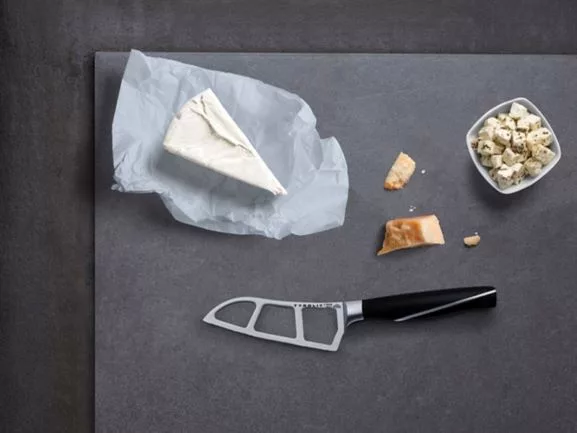
An exquisite cheese should not only be enjoyed, but also cut in style. Modern cheese knives are therefore practical tools that also serve as a visual highlight. The special blade prevents the cheese from sticking and allows a beautiful cut.While cheese knives for hard cheese have a solid blade, cheese knives for soft cheese have holes of different sizes. The sharp blade ensures a high-quality cut. The holes reduce the contact surface between the knife and the cheese, preventing it from sticking.
Cheese knives for soft and hard cheese
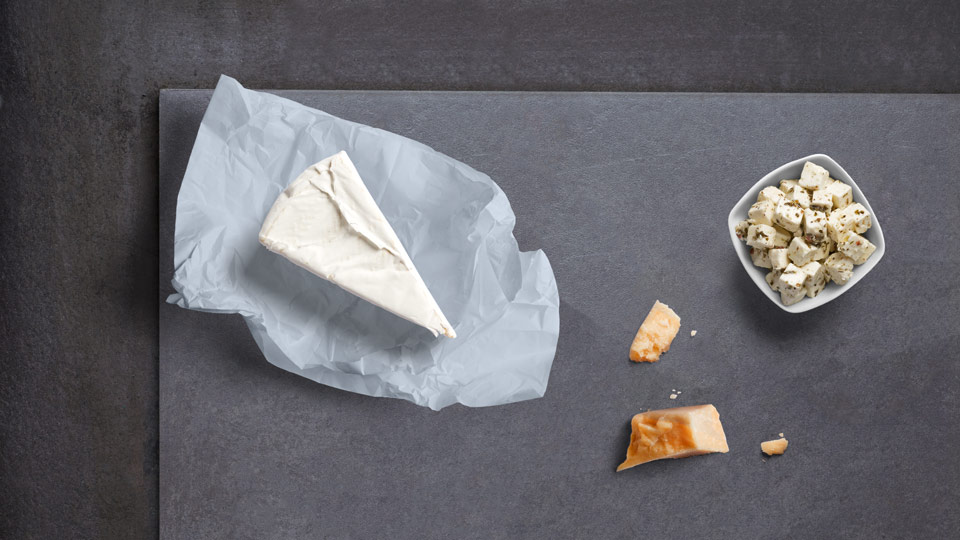
Cheese can be cut with a normal kitchen knife. However, if you want to avoid squashed pieces of cheese, you should use a high-quality cheese knife. Because of its consistency, cheese places particular demands on the cutting tool.Hard cheese and soft cheese have different water contents and thus different consistencies. What both types of cheese have in common is that they quickly stick to the blade or are dented when cut with a standard kitchen knife.
A special cheese knife avoids both problems. Thanks to the large cut-outs in the blade and the high-performance micro-serrations, it offers the highest cutting quality. Your piece of cheese will have a straight and even cut, will not stick to the blade and will not be compressed when cutting.